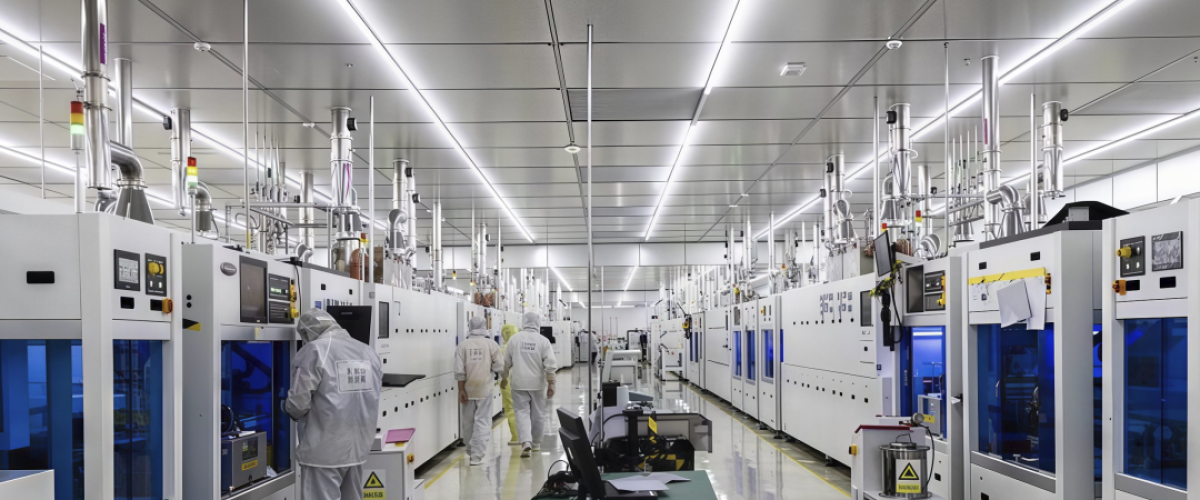
When large manufacturers start earning a premium on back-contact modules, the first reaction from everyone else is to convert an existing TOPCon module line. Before anything else, draw the boundary clearly: this is a module-line retrofit — buying finished BC cells and rebuilding the back-end stringing and lamination — not converting a TOPCon cell line into a BC cell line. The investment and difficulty are not in the same league.
For an existing TOPCon SMBB module line, the mainstream route is UV-adhesive 0BB at roughly CNY 30–40 million per GW. Most of the lamination and framing equipment can be reused. What actually stops second- and third-tier manufacturers is not buying the machines: it is UV adhesive process control, breakage yield, and a ramp that takes months.
What changes, step by step
The existing line is a mature SMBB route: cells run front-side up, ribbon is soldered directly onto the front busbars, and the process window is wide. The BC-0BB line runs cells rear-side up and rebuilds the stringing logic around adhesive and laser or infrared soldering.
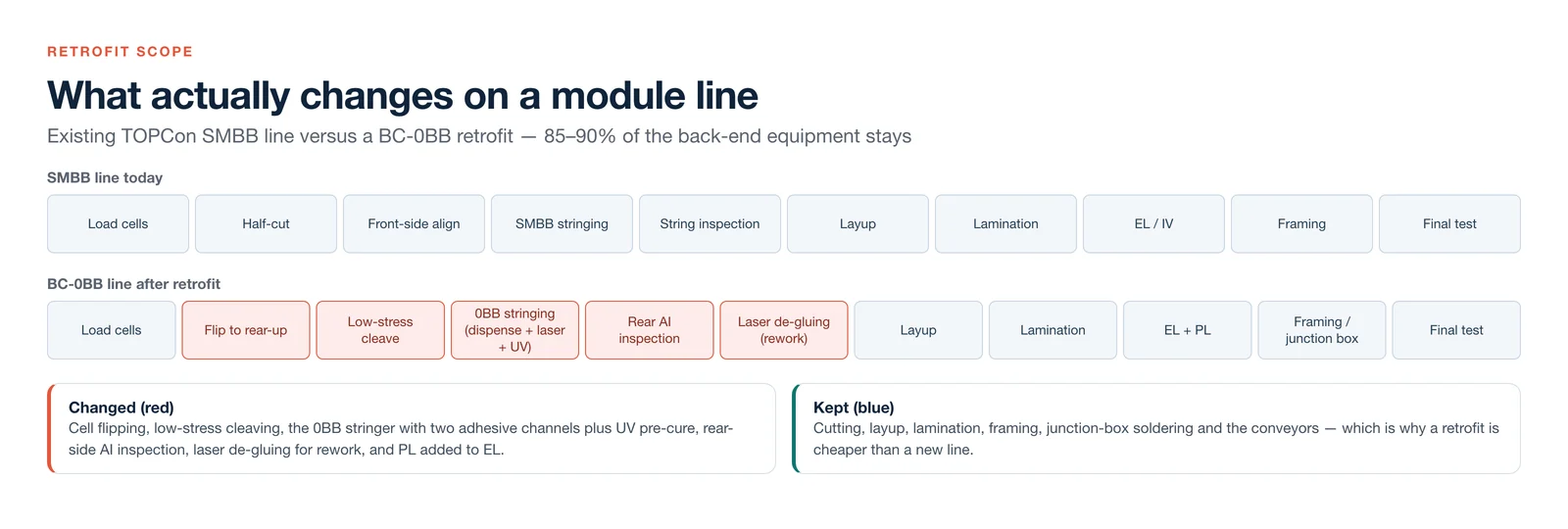
The summary is that 85–90% of the back-end equipment — cutting, lamination, conveyors, framing, frame sealing — can be reused. The change concentrates at stringing, the front-end cleaving and the inspection stations. That is exactly why brownfield retrofits are attractive: the asset does not have to be written off, and the depreciation burden is far below a new BC line.
Hardware: what must be replaced
| Item | Why it is needed | Indicative cost |
|---|---|---|
| BC-specific 0BB stringer | Micron-level rear-side vision, two adhesive channels, soldering and UV pre-cure in one pass; 6,000–7,200 half-cells/h, two units per 250 MW line | CNY 3–4 m per unit |
| UV dispensing + curing | Separate insulating and conductive adhesive circuits; paste volume, position and cure energy set the yield | CNY 0.4–0.8 m per set |
| Low-stress cleaving | BC rear electrodes and thinner wafers cannot take conventional cleaving shock | CNY 0.8–1.5 m per unit |
| Rear-side AI inspection | EL finds cracks, not missing, excess or offset adhesive — the defects that kill 0BB | included in line scope |
| Laser de-gluing station (optional) | Cured UV adhesive cannot be de-soldered like SMBB; laser removal protects cell scrap value | optional |
| Flip module and precision conveyor | Everything downstream now handles the cell rear-side up | included in line scope |
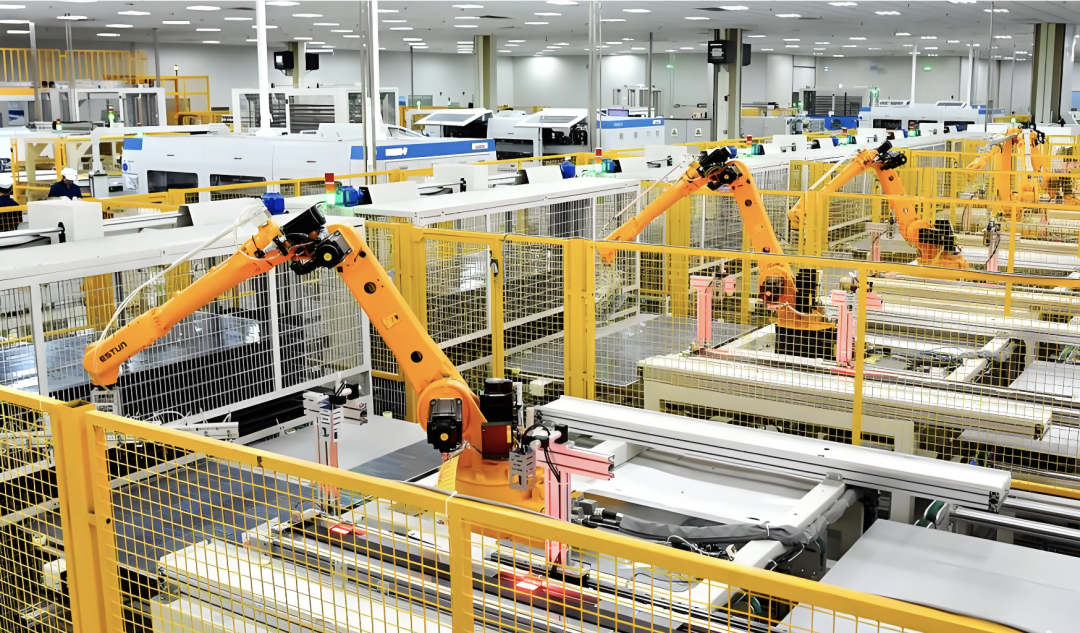
The stringer is the cost centre. Compared with an SMBB machine it has to do micron-level rear-side vision, two adhesive channels in parallel, soldering and UV pre-cure in one pass; a standard SMBB stringer cannot be upgraded into a volume tool, and the bolt-on dispenser kits produce samples rather than yield.
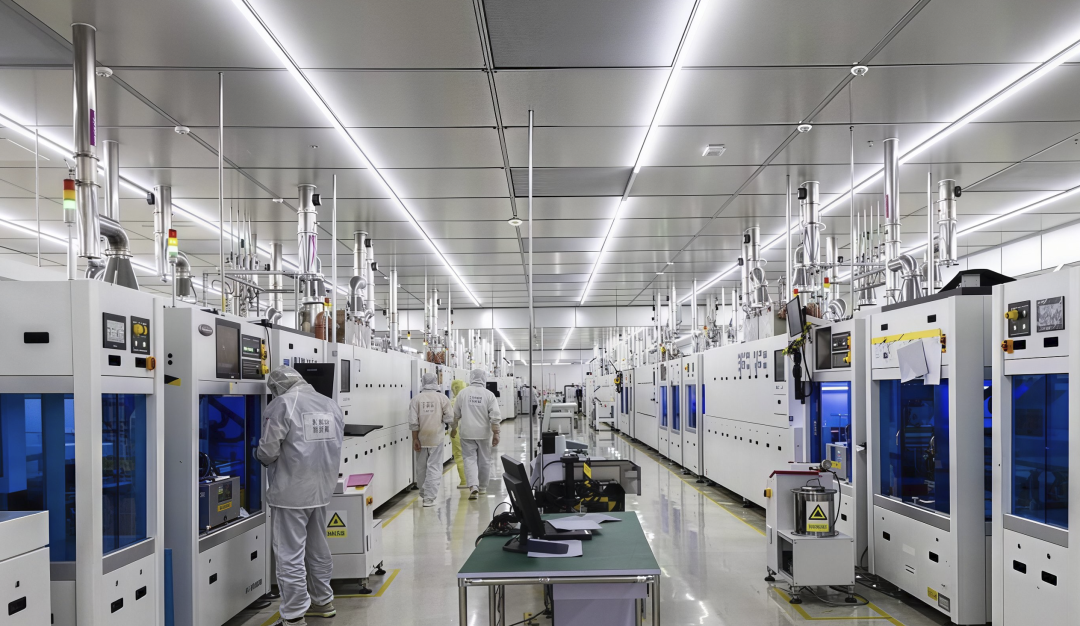
The hidden retrofit is environmental. UV adhesive is sensitive to dust, ambient light and supply stability: the dispensing area needs cleaner air, UV shielding, extraction and regulated power, or the adhesive cures before it should.
Three routes, three price points
| Route | Capex per GW | Where it fits |
|---|---|---|
| UV-adhesive 0BB | CNY 30–40 m | The mainstream choice for brownfield retrofits; 30 m with mid-tier equipment and slow line speed, 40 m with high-speed stringers and full dual-vision inspection |
| IFC film 0BB | CNY 45 m+ | Aiko-style dedicated line; no adhesive short-circuit risk and a higher yield ceiling, but too much change for an existing TOPCon line |
| Simple module retrofit | CNY 6–10 m | Adding a dispenser kit to an existing SMBB stringer: fast and cheap, but only good for samples and certification builds |
The industry benchmark is GCL Integration's 7 GW BC module retrofit at CNY 235 million, or about CNY 33.5 million per GW — consistent with the mainstream range.
What else changes: the bill of materials
Moving from SMBB to BC-0BB is not only a machine purchase. UV insulating and conductive adhesives are new BOM lines and a large part of the premium; the ribbon changes to 0BB ultra-fine round wire for the dense rear fingers; and the encapsulant needs compatibility validation, because UV adhesives behave differently with EVA and POE. Plenty of plants discover the adhesive–encapsulant mismatch only after the hardware is installed, when damp-heat reliability fails and certification slips.
Where second-tier plants get hurt
- Breakage and microcracks. BC rear electrodes are load-sensitive and the pressure window at cleaving, transfer and stringing is narrow; early ramp breakage can run one to two points above a conventional TOPCon line, which is more than the margin.
- Dispensing yield is the whole game. Excess adhesive shorts the polarities; missing or offset adhesive gives cold joints and low pull strength. UV adhesive is sensitive to temperature, humidity, cleanliness and needle wear, and its process window is much narrower than flux soldering.
- Reliability risk and longer certification. 0BB joints have inherently lower pull strength than SMBB, so thermal cycling, damp heat and PID are more likely to produce joint failures — and without passing them, no overseas bankability.
- Ramp time. A new TOPCon format stabilises in about a week; BC-0BB typically needs two to four months, with staged line stoppages during the retrofit.
- The premium is not automatic. BC premiums sit in premium residential, BIPV and all-black distributed work; utility buyers are extremely price-sensitive. Without a premium channel, a retrofit ends up with high material cost and no price to match.
How to decide
Tier-one manufacturers run both routes: TOPCon as the cash cow for utility-scale, BC for high-margin distributed work. For a manufacturer with limited capital, three questions come first: is there a reliable BC cell supply and a channel that will actually pay the premium; can the business absorb two to four months of yield and output loss; and is there a team with UV-adhesive and 0BB process experience. Without those, a retrofit becomes a vendor's reference line. For many third-tier plants, optimising the existing TOPCon line — silver-coated copper paste, 0BB light-weighting — and defending utility volume is the safer path.
Retrofitting is technically proven, and UV-adhesive 0BB is the most mature brownfield route. The barrier is not the capex; it is adhesive process control, breakage management, reliability validation and order matching. BC is a differentiated route to premium segments, not a universal upgrade.
How ZOEAST PV sees it
ZOEAST PV runs TOPCon module assembly in Yixing and supplies both cell technologies, so we watch this retrofit question from both sides. Our position is that a module line should not be converted without a locked-in premium channel and a qualified BC cell supply; the equipment is the easy part.
For customers evaluating a BC product, we would rather quote the finished module than advise on a line conversion — and where a project genuinely needs the all-black finish, we supply BC-based modules rather than retrofit for the sake of it. See the cell range or talk to our engineering team about the route that fits your project.
Data notes: capex figures, equipment prices, line speed and ramp times follow the original Chinese article and the GCL Integration 7 GW reference project; factory photographs come from the source article. Figures: ZOEAST PV, redrawn in English.